
Brilliantor Editorial · October 17, 2026 · 4 min read
How to Write a Merchandise Quote Request That Can Be Compared
Write a merchandise quote request with exact models, quantities, artwork scope and delivery assumptions so you can compare responses on the same basis.

A useful merchandise quote request gives the recipient enough information to price the same project you intend to approve. “Please quote some branded bags” leaves the product, quantity, print scope and delivery assumptions open. A short structured request makes those uncertainties visible before a number becomes the basis for a decision.
Key takeaways
- Identify the exact product or ask for clearly separated alternatives.
- Split the total quantity into the variants you need quoted.
- State the artwork scope and what is still undecided.
- Ask for inclusions, exclusions, validity and delivery assumptions in writing.
Define the item before requesting the total
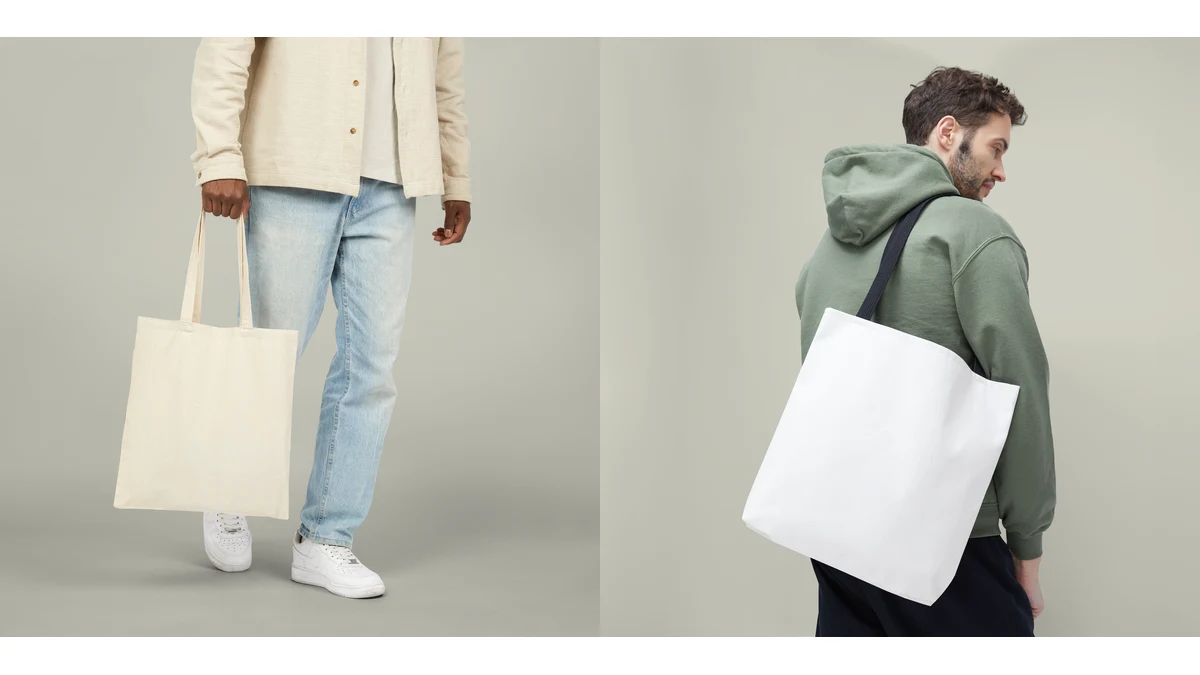
Start with a product link and its model name. If you are choosing between two constructions, request separate options rather than blending them into one line. A cotton canvas tote and an all-over-print tote should not be treated as interchangeable just because both carry artwork.
Describe the intended use in one sentence. An event handout and an item sold as part of a collection may lead to different questions about packaging and presentation. This context helps the recipient identify gaps; it is not a substitute for a confirmed specification.
Break quantities into meaningful rows
State the number of units for each requested variant, with a total that adds up. If sizes, colors or artwork versions are undecided, mark them as undecided. Ask how changing that mix would affect the response rather than assuming every combination has the same cost or availability.
Keep optional alternatives separate. For example, request one base quantity and one larger quantity with identical artwork and destinations. Comparing two totals is useful only when you can see which assumptions changed between them.
Describe what the artwork requires
Say whether you have production-ready files, a logo needing adaptation or only a concept. Include the number of designs and intended print locations. Use a nonconfidential preview for the initial conversation, then confirm how the final artwork should be supplied.
Refer to the print-ready artwork guide if the source files still need work. Ask whether file preparation, proofs and revisions are included, and how extra changes would be handled. A picture of a finished item does not specify the editable artwork or its production requirements.
State the delivery assumptions
Provide the destination country and enough regional detail for an initial shipping discussion. Avoid sending a complete recipient address list before it is necessary. Distinguish one bulk delivery from multiple individual destinations, because those are different fulfillment briefs.
Give the date by which the goods are needed and explain whether it is fixed. Ask for production and transit assumptions separately, including when timing begins and what approval dependencies apply. An estimate should not be rewritten as a guaranteed arrival date. The fulfillment explainer provides the questions to clarify.
Ask for a comparable cost breakdown
Request the currency, unit quantities, product charges, artwork work, packaging, shipping and any excluded charges. Ask which taxes or destination charges are included and which require separate confirmation. This is a request for a clear commercial breakdown, not a way to calculate a tax obligation from a generic article.
For a broader business estimate, the U.S. Small Business Administration’s planning resources include cost-planning tools. Your actual merchandise quote still needs its own product and delivery assumptions; a general calculator cannot verify the current price of a particular order.
Use a short request template
“Please quote the linked model for 80 units, with the variant split attached. We have one artwork version requiring a front layout proof. Please separate any artwork preparation, packaging and shipping charges. Delivery is to one destination in the stated region, needed by the stated date. Confirm availability, timing assumptions, exclusions, quote validity and what is needed before production approval.”
These quantities are a fictional briefing example, not an offer or a minimum order. The accompanying form diagram highlights the fields so a reader can build a request without copying confidential order information into a public template.
Questions before sending
Should I give a budget range?
A range can help evaluate alternatives, but say whether it includes shipping and other project costs. Keep it separate from a claimed market price.
Does sending the request approve the order?
Do not assume that. Ask the recipient to explain the approval and payment steps in its written response.
Send Brilliantor a project enquiry with the model link, variant quantities and delivery assumptions. Mark open questions clearly so the response can address them.