
Brilliantor Editorial · October 17, 2026 · 3 min read
Protective Packaging for Custom Merchandise: Build the Brief
Plan protective packaging around fragile, soft and flat merchandise. Separate presentation, cushioning and shipping requirements before approving a quote.
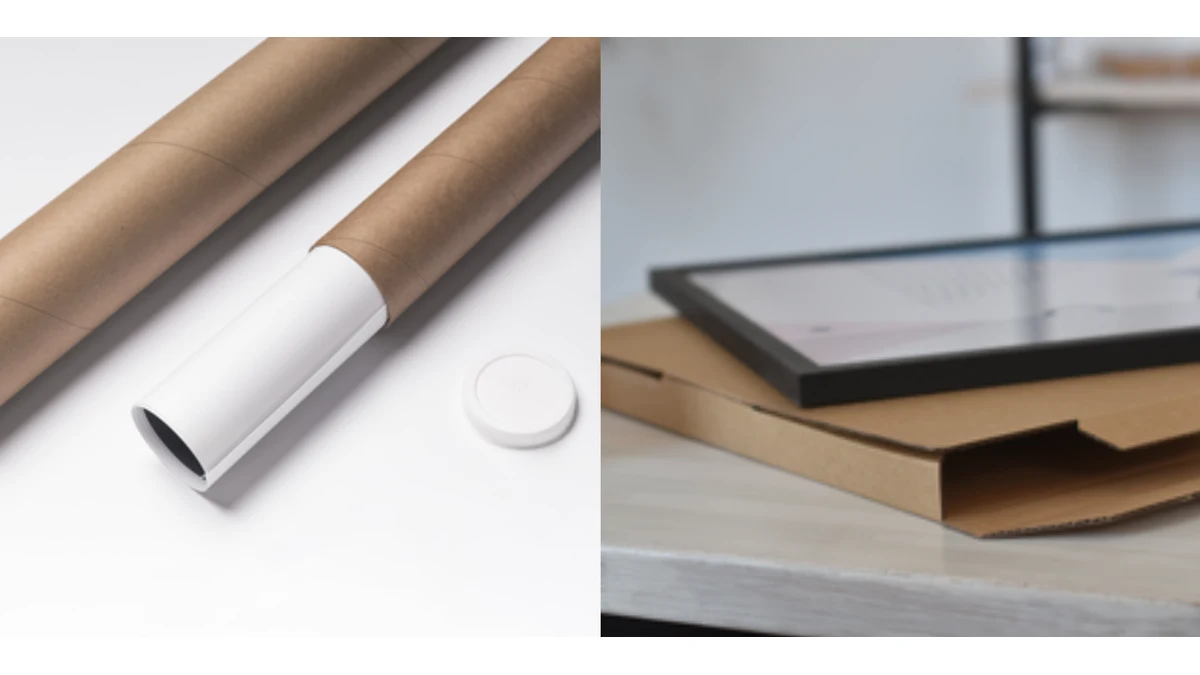
A package can look polished and still be poorly specified for the journey. Treat presentation, product protection and shipping preparation as related decisions with different jobs. Start with the object and its risks, then decide what the recipient should see when opening it.
This is a packaging brief, not a carrier certification or a guarantee against damage. Final packing should follow the selected carrier’s current guidance and the actual production route’s requirements.
Define the object before the outer box
Record what is being packed, how many items travel together and which surfaces or parts need protection. A ceramic mug has different concerns from a folded cotton tote or a rolled poster. Do not assume one decorative carton suits all three.
List the intended contents without adding unconfirmed accessories. If a product page says an insert, pole or fastening is excluded, the packaging brief should not imply it is part of the set. The contents list is the reference for both presentation and packing.
Separate cushioning from empty-space fill
Cushioning protects vulnerable areas; filling unused space helps limit movement. The selected design needs to address both. Ask the packing team how the object is kept from contacting the box walls or another object during handling.
UPS’s packaging guidance recommends a rigid box within its weight limit and appropriate protective materials. It also describes a two-box approach for fragile goods. Follow the current instructions for the exact shipment rather than treating a generic photograph as a packing specification.
For an enquiry, describe the desired outcome in plain language: the items should stay separated, vulnerable edges should be supported, and the contents should not move freely. Let the responsible route confirm the materials and method. Do not prescribe a cushioning thickness from memory without checking the applicable guidance.
Keep the unboxing design outside the protection assumptions
A printed sleeve or a tissue layer may support presentation, but its presence does not prove that the package protects a fragile object. Ask which part of the design is structural and which is decorative.
If the project needs a gift message or branded insert, confirm whether that service is available for the exact route before creating final artwork. Do not represent a proposed packaging feature as a live Brilliantor capability. Record its status as requested, confirmed or excluded.
Measure the packed shipment
Ask for the final outer dimensions and weight once the packing method is known. The product’s own dimensions are not the finished parcel dimensions. Confirm the destination and shipping options using the packed information rather than estimating from the empty item.
Keep delivery timing separate from the packaging decision. A suitable box does not establish a service commitment, customs outcome or arrival date. Those belong in the confirmed shipping quote.
Review a packing sample consistently
Photograph the contents, protective layers and closed package so the agreed arrangement can be understood. Check that the correct items are included and that the recipient can open the package without confusing the decorative layer with the protected contents. Use formal testing through an appropriate route if the risk requires it; a casual shake test is not certification.
A practical approval record
Keep the contents list, confirmed materials, packing arrangement, outer measurements, artwork version and responsible route together. This creates a usable handoff for a future reorder. It also makes later changes visible: a larger mug, a different poster format or an added item may require another packaging review.