
Brilliantor Editorial · October 17, 2026 · 3 min read
11 oz vs 15 oz Mugs: Choose a Size for the Way It Will Be Used
Compare 11 oz and 15 oz mug options by capacity, handling, storage and artwork. Confirm the exact model and preferences before requesting a quote.
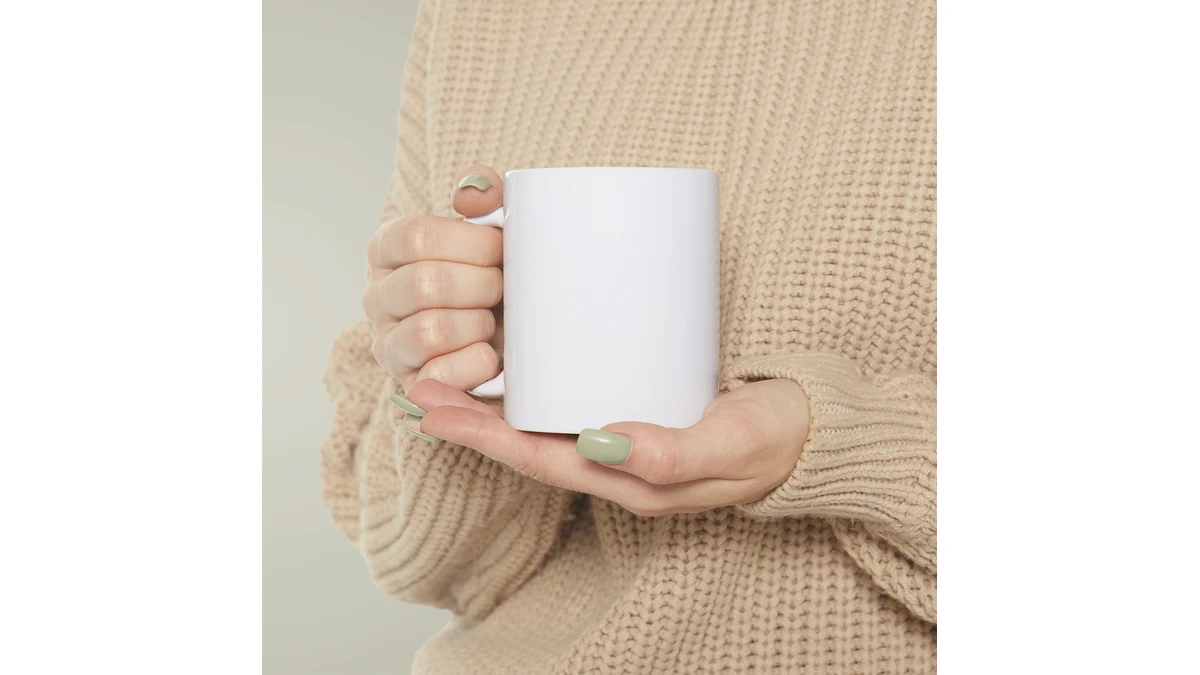
Choose a mug size by the routine it needs to fit. A compact desk cup and a larger drink container may use the same artwork, yet feel different in the hand and take up different space. Start with how it will be used, then check the exact model rather than deciding from a lifestyle photograph alone.
Brilliantor’s white ceramic mug lists 11 oz and 15 oz preferences. Its current specification describes glossy white ceramic and a C-shaped handle. Those details belong to that model; they should not be treated as specifications for every mug in the collection.
Separate listed capacity from everyday serving
The two capacity labels offer a simple comparison: 15 is larger than 11. They do not tell you how full a particular person will comfortably fill the mug, whether they add milk, or how the rim feels in use. Ask for physical dimensions as well as the nominal capacity.
For a team project, describe the routine: a short coffee break, a long working session, or a cup that needs to fit a specific shelf. Avoid collecting information about individuals when a general use case is enough. The decision becomes easier when the team agrees which constraint matters most.
Compare handling and storage with a sample
Review a sample while it is empty before testing it in ordinary use according to its supplied instructions. Check whether the handle opening feels practical, whether the base sits steadily on the intended surface, and whether the mug fits the storage space. Do not assume the larger option is always more comfortable.
For a gift set, check the outer package as a separate item. More capacity does not tell you the final packed dimensions, weight or shipping charge. Ask for those details when the packaging and destination are known, using the protective-packaging checklist.
Confirm the artwork for each size
Treat each size as its own artwork review. Ask whether the print area, handle-side gap and intended front-facing composition change. A design approved on one size should not automatically be described as approved on the other.
For example, a small emblem may look deliberate on a compact mug but feel lost on a larger body. A wide composition may need to be repositioned so that important details remain visible when the handle is used. These are layout questions to resolve in a proof, not reasons to stretch the artwork without review.
Check the exact finish and care statement
The accent coffee mug has a white ceramic body with a colored interior and handle. The black mug has a black ceramic base, and its product page notes that the ceramic black can differ from a file’s black background. A size choice alone does not resolve those appearance differences.
Read the care instructions on the selected product page and confirm them for the quoted route. Do not transfer a microwave or dishwasher claim from a visually similar product. Keep any supplied care guidance with the final product information.
What to include in an enquiry
State the model, preferred size, quantity, destination and intended use. Include artwork dimensions or a draft file if available, and identify whether a decorated sample is needed. A helpful example is: “White ceramic mug, preferred 15 oz size, for desk use; please confirm dimensions, print area and packed delivery options.”
The catalog selection records a preference. It does not reserve stock or confirm a size-and-route combination. Final options, pricing and delivery need confirmation with the quote.